# 🍂 Winter Wellness: Keeping Your Pets Safe, Warm, and Thriving as Temperatures Drop
This post may contain affiliate links. If you make a purchase through them, we may earn a small commission at no extra cost to you. We only recommend products we trust.
As the crisp air of autumn turns into winter's chill, pet parents everywhere face a new set of challenges. While our furry friends come with their own built-in coats, sudden drops in temperature can still pose risks to their health. From paw pad care to nutritional support, preparing your pets for the cold season is essential.
Here is a comprehensive guide to keeping your cats and dogs safe this winter, including smart supplement strategies and crucial safety pitfalls to avoid.
🐾 Winter Safety Essentials for Dogs and Cats
1. Paw Protection is Non-Negotiable
Ice, snow, and toxic road salts can cause severe cracking, chemical burns, and frostbite on your pet's paws.
- Dogs: Invest in waterproof, insulated dog boots for walks. If your dog refuses shoes, apply a pet-safe paw wax or balm before heading out, and always wipe their paws with a warm, damp cloth immediately after coming indoors to remove salt and debris.
- Cats: Keep cats strictly indoors during freezing weather. Ensure their litter box is in a warm, draft-free area, as cold floors can discourage them from using it.
2. Adjusting Their Wardrobe and Environment
Not all pets are built for the cold. Short-haired breeds, senior pets, and kittens/puppies need extra help.
- Clothing: A snug, waterproof sweater or jacket is highly recommended for small or short-haired dogs during outdoor potty breaks. Never leave wet clothing on a pet, as it traps moisture and causes rapid heat loss.
- Indoor Comfort: Create a draft-free zone with elevated, insulated bedding. Keep their sleeping area away from cold windows and heating vents. Maintaining moderate indoor humidity can help prevent dry skin and respiratory irritation.
3. Rethinking Diet and Hydration
Pets burn more calories trying to stay warm, but indoor pets often exercise less, creating a delicate balance.
- Warm Water: Always provide fresh, room-temperature or slightly warm water. Ice-cold water can shock their digestive system.
- Nutritional Tweaks: If your dog spends significant time outdoors, they may benefit from slightly more high-quality protein and healthy fats in their diet. Indoor pets, however, should generally maintain their regular caloric intake to prevent winter weight gain.
🧬 Smart Supplement Strategies for Winter Immune Support
Winter stress can challenge a pet's immune system. Adding targeted, high-quality supplements can help bridge nutritional gaps and support overall wellness. As always, check with your veterinarian before adding any new supplement to your pet's routine.
- Omega-3 Fatty Acids (Wild-Caught Salmon Oil): Winter heating systems and dry air can be harsh on pet skin. Omega-3s help nourish the skin barrier, support comfortable, less itchy skin during the dry season, and promote a glossy, insulating coat.
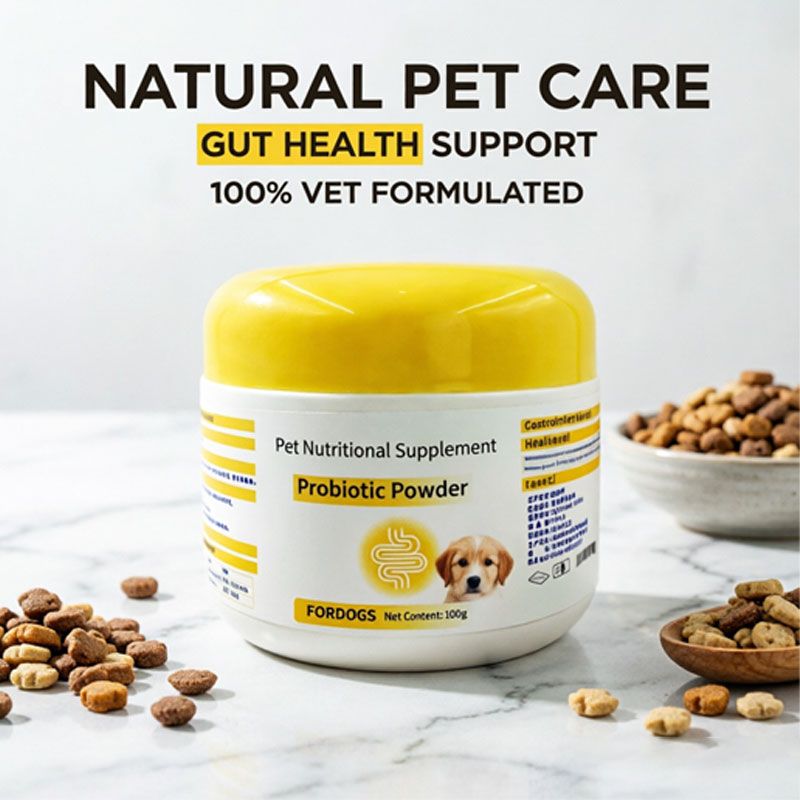
- Probiotics & Gut Health Support: Cold weather and dietary changes can upset a pet's stomach. A high-quality probiotic helps maintain a balanced gut microbiome, which is the foundation of overall wellness and supports normal nutrient absorption.
- Immune-Supporting Nutrients (e.g., Lactoferrin Blends): For senior pets, rescue animals, or those needing extra seasonal support, immune-supporting proteins can complement their natural defenses during seasonal changes.
- Joint Support (Glucosamine & Chondroitin): Cold weather is often associated with joint stiffness in older dogs. Daily joint supplements help maintain cartilage health and mobility, supporting their comfort during the chilly months.
⚠️ Crucial Winter Pitfalls to Avoid (Safety First!)
- Never Use Human Medications: Human pain relievers (like ibuprofen or acetaminophen) and cold medicines are highly toxic and potentially fatal to cats and dogs. Always consult your vet for pet-safe treatments.
- Beware of Direct Heat Sources: Avoid letting pets sleep directly against space heaters, radiators, or unshielded heating pads, as this can cause severe burns. Always use pet-specific heating pads with auto-shutoff and chew-resistant cords.
- Don't Shave Double-Coated Breeds: Never shave dogs like Huskies, Golden Retrievers, or Samoyeds in winter. Their double coat acts as natural insulation against the cold and protects their skin from harsh winds.
- Avoid Antifreeze Poisoning: Ethylene glycol (antifreeze) is highly toxic and has a sweet taste that attracts pets. Clean up any garage or driveway spills immediately, and consider safer alternatives such as propylene glycol-based antifreeze whenever possible.
Disclaimer: This article is for informational purposes only and does not replace professional veterinary advice. Always consult with your veterinarian before introducing new supplements or making significant changes to your pet's diet, especially if they have pre-existing health conditions. If you suspect your pet is ill or in pain, seek veterinary care promptly.