When Can a Puppy Go Outside? A $200 Vet Bill Taught Us the Real Answer
Part of the Day 18 with Qiqi series — raising our first puppy, one expensive lesson at a time.
The 30-second version: Keep an unvaccinated puppy away from high-traffic dog areas — dog parks, pet-store floors, dogs you don't know. But don't keep him in a bubble. Clean, controlled outings and playtime with healthy, vaccinated dogs are good for him. Ask your vet for the date his series is complete, and don't rush it.
For the past three days, our only destination has been the vet clinic.
The good news: the treatment worked. After one day of injections and nebulizer therapy, Qiqi's runny nose cleared up and his cough was almost gone — as long as we didn't tug on the leash. Our vet had planned a full week of visits; because the symptoms had basically gone after three days, we switched to a three-day course of oral meds and finished his recovery at home.
The not-so-good news: this short, mild illness still cost us about $200 — mostly antibiotics and anti-inflammatory medication.
That number is normal, which is the depressing part. Across clinics, a mild respiratory infection runs $50–100 just for the exam, treated cases land around $200–500, and pneumonia complications can top $2,000.
So here's the lesson we paid for.
The one thing every new puppy parent should know
Don't let an unvaccinated puppy near high-risk dog areas, and don't let him greet dogs you don't know. Wait until your vet confirms his vaccine series is complete.
The important word there is high-risk. The old advice was to keep a puppy home until the shots were done. Current veterinary behaviour guidance says the opposite: the socialization window closes around 14 weeks, before the vaccine series finishes, and missing it raises the risk of lifelong fear and reactivity.
So the balanced version looks like this:
- Avoid: dog parks, pet-store floors, busy sidewalks, roadside grass — anywhere unknown dogs gather or toilet.
- Safe, and worth doing now: carried outings around the neighbourhood, your own clean yard, visits with healthy vaccinated dogs, well-run puppy classes that check vaccination status and hygiene.
- Full public access: about one to two weeks after the final core dose, usually given at 16 weeks or older.
That 16-week dose is the one that matters most. An earlier shot doesn't clear him, because maternal antibodies can block the vaccine — which is exactly why puppies get a series.
Our mistake wasn't taking Qiqi outside. It was not being precise about where.
What that week actually taught me
1. A puppy's immune system is still under construction. Maternal antibodies fade over the first weeks of life, which opens a window where a puppy is both unprotected and interested in everything. Stress and an unfamiliar environment don't help.
2. Finish the medication your vet prescribes. Don't stop early just because the symptoms fade — unless your vet tells you to. Stopping short invites a relapse, and it's part of how antibiotic resistance builds.
3. Prevention is cheaper than treatment. Good food, plenty of rest, and vaccines on schedule do more for a puppy than any bottle of pills. We just learned that one for $200.
Do immune supplements and probiotics actually help puppies?
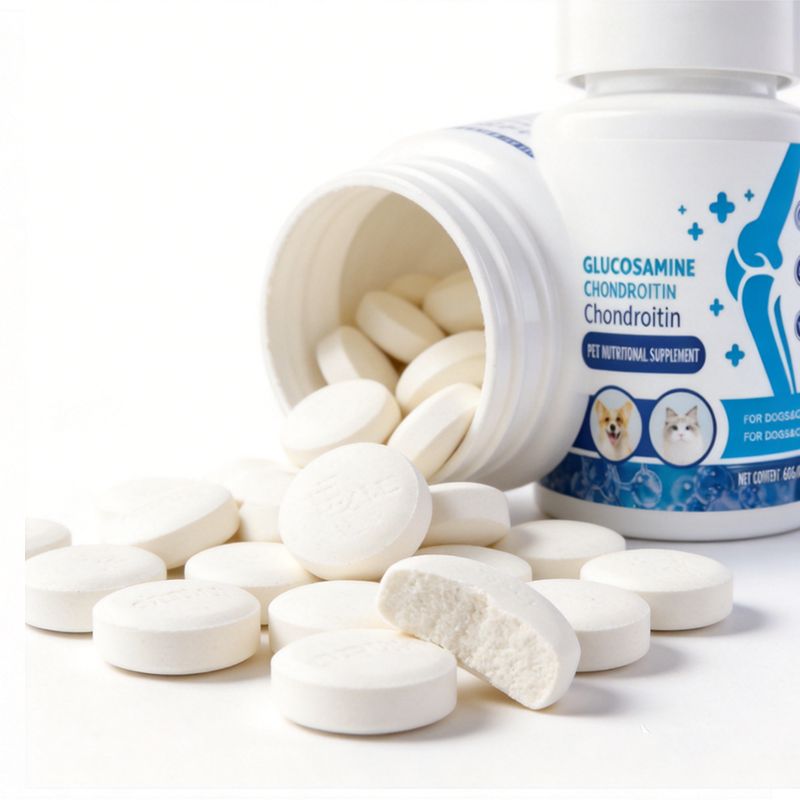
I keep seeing immune-support supplements and probiotics pitched for puppies. We sell products in this space, so take this with that in mind — but here's what I actually believe, and what our team holds to:
- No supplement replaces a vaccine series. Full stop. If a brand tells you a chew or a powder will stop your puppy getting sick, walk away.
- Probiotics aren't for respiratory infections. The strongest canine evidence is around gut issues — shorter bouts of diarrhoea, especially after antibiotics or a food change. And even there, a major review of the research concluded that the evidence for preventing or treating gut disease is limited and possibly clinically unimportant.
- Where they make sense: predictable high-risk moments — weaning, coming home, switching food, a course of antibiotics. Support, not rescue.
- If your puppy is sick, that's a vet conversation, not a supplement one.
I'd rather you hear that from us than find out the expensive way.
FAQ
When can my puppy go outside before his vaccines are done?
Before the series is complete, "outside" means controlled and low-risk: carried in your arms, your own clean yard, clean private spaces, and homes with healthy vaccinated dogs. It does not mean the dog park or the pet-store floor.
Can my puppy meet other dogs before he's fully vaccinated?
Yes — with dogs you know are healthy and current on their vaccines, in a clean, controlled space. Skip dogs of unknown health or vaccination status.
When is a puppy fully protected?
Roughly one to two weeks after the final core vaccine, which is usually given at 16 weeks of age or older. Ask your vet for a specific date instead of counting from an earlier shot.
How much does a puppy respiratory infection cost to treat?
Ours came to about $200 for the exam, antibiotics and anti-inflammatories. More broadly, mild cases run $50–100 for the exam alone, treated cases $200–500, and pneumonia complications can reach $2,000 or more.
Do probiotics help puppies?
For gut health, some strains have real evidence — shorter diarrhoea, and less disruption after a course of antibiotics. For respiratory infections, no. The research doesn't support it.
The bottom line
Qiqi is home, on his last doses, and back to stealing socks. The $200 bought us one lesson worth passing on: ask your vet when and where your puppy can safely explore — and don't rush it.
I'll keep you posted as he finishes his meds. Stay safe out there, fellow dog parents.
I'm not a vet — just a dog mom sharing our own experience. Nothing here is medical advice, and nothing here replaces a vaccine or a vet visit. If your puppy is sick, call your vet.
*Sources: AAHA Canine Vaccination Guidelines; AVSAB Position Statement on Puppy Socialization; WSAVA Vaccination Guidelines; JVIM systematic review on probiotics for canine gastrointestinal disease.