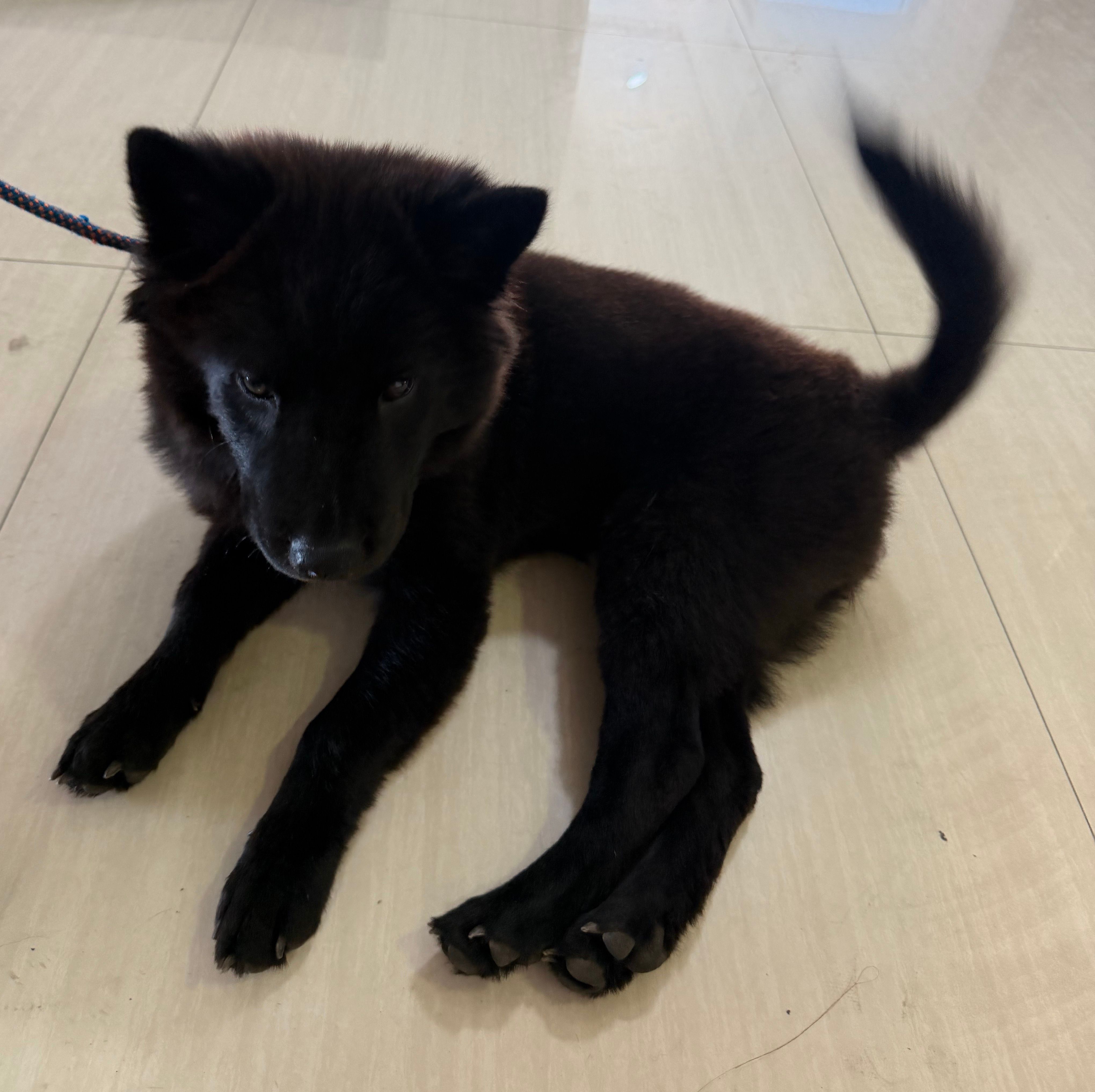
How to Train a Puppy: 5 Essential Skills We Taught Qiqi
Bringing home a new puppy is one of the most exciting milestones for a pet parent — and one of the busiest. When we first started puppy training with Qiqi, the whole thing felt a bit overwhelming. But with patience, consistency, and positive reinforcement, he has now mastered potty training, mealtime manners, sit, down, shake, and high-five.
Here's the biggest takeaway from our journey: training a puppy isn't as hard as it seems. Below is the simple, positive-reinforcement approach that worked for us — and will work for you too.
What You'll Need Before You Start
- Soft, fingernail-sized training treats
- One consistent outdoor potty spot
- Two or three 5-minute slots in your day
That's it. Keep sessions short, stay positive, and you're ready to go.
1. Potty Training: Consistency Is Everything
Puppies aren't born knowing where to go — a predictable routine does the teaching.
- Stick to a schedule. Take your puppy out first thing in the morning, after every meal, after naps, and after play sessions.
- Reward success immediately. The moment they finish in the right spot, offer praise and a high-value treat. Timing is what makes the lesson stick.
- Handle accidents calmly. Never punish. Gently interrupt, head outside, and clean the area thoroughly with an enzymatic cleaner so lingering scents don't invite a repeat.
> Rule of thumb: most puppies can hold it for about one hour per month of age. A 3-month-old pup needs a bathroom break roughly every 3 hours.
2. Mealtime Manners: Teaching "Wait"
A puppy that waits calmly for food and water is safer at mealtimes — and far less likely to beg or jump.
- Hold the bowl at waist height and ask your puppy to sit.
- Lower it only when they're calm; if they lunge, simply lift it back up.
- Give a release cue — we use "okay!" — before they eat.
Practiced at every meal, this two-minute ritual builds more patience than any marathon training session.
3. Basic Commands: Sit, Down, Shake, and High-Five
These four cues are the foundation for everything else. Say each command once — repeating "sit, sit, sit" only teaches your puppy to tune you out.
- Sit: Hold a treat at nose level and slowly lift it back over their head. As their bottom touches the floor, say "Sit" and reward right away.
- Down: From a sit, lure the treat straight down to the ground. The instant their elbows touch the floor, mark it with a cheerful "Yes!" and reward.
- Shake and high-five: With your puppy sitting, gently tap or lift a paw as you give the cue. Reward the moment their paw meets your hand.
4. The Golden Rules of Puppy Training
If you remember nothing else, remember this:
- Positive reinforcement only. Reward the behaviors you want to see. Punishment doesn't teach — it creates fear and confusion.
- Keep it short. Two or three 5-minute sessions a day beat one exhausting hour. Puppies have puppy-sized attention spans.
- End on a win. Always finish with something your puppy already does well, so they stay eager for the next session.
A Healthy Puppy Is a Trainable Puppy
Training takes mental and physical energy — and good nutrition powers both. At [Your Brand Name], our vet-formulated supplements are designed to support cognitive function, joint health, and overall vitality. Whether you're looking for a daily multivitamin for a growing puppy or calming chews to help them settle after an exciting session, we've got you covered.
[Explore our premium pet supplements →]
Puppy Training FAQs
When should I start training my puppy?
The day they come home — usually around 8 weeks old. Start with potty routines, name recognition, and short, positive handling sessions.
How long does it take to potty train a puppy?
With a consistent schedule, most puppies are reliable by 4–6 months. Smaller breeds can take a little longer.
What commands should I teach first?
Sit and down are the easiest early wins. Add shake, high-five, and stay once those are solid.
How long should training sessions be?
5–10 minutes, two or three times a day. Short and frequent always beats long and tiring.
The Bottom Line
Puppy training comes down to three things: patience, consistency, and rewarding the behavior you want to see more of. Pick one skill, keep sessions short, and celebrate every small win — that's how Qiqi learned, and it's how your puppy will too.
*Disclaimer: This article shares our personal experience with Qiqi and general positive-reinforcement principles. Every dog is unique. If you're struggling with behavioral issues or health concerns, consult a certified dog trainer or your veterinarian. This post is for educational purposes and is not a substitute for professional advice.